
World's mobile apps publisher
Clients and studios using our software
Countries our clients work in
Employees
Offices in European cities
Years of experience
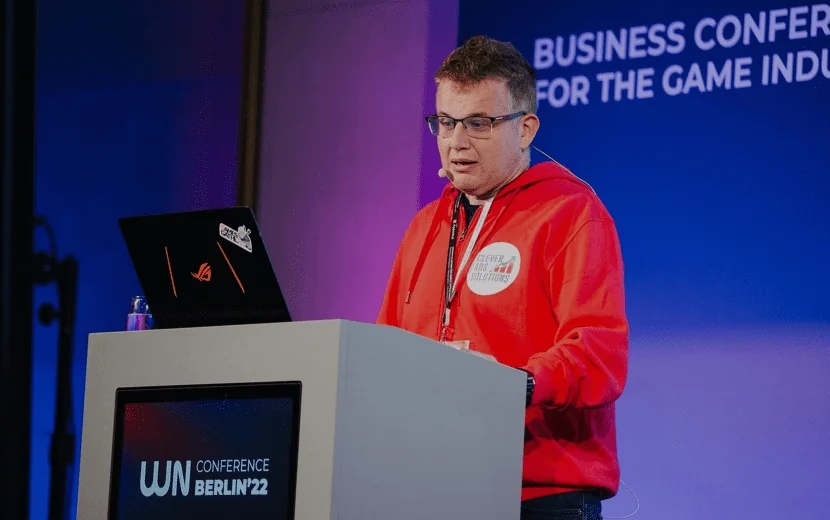
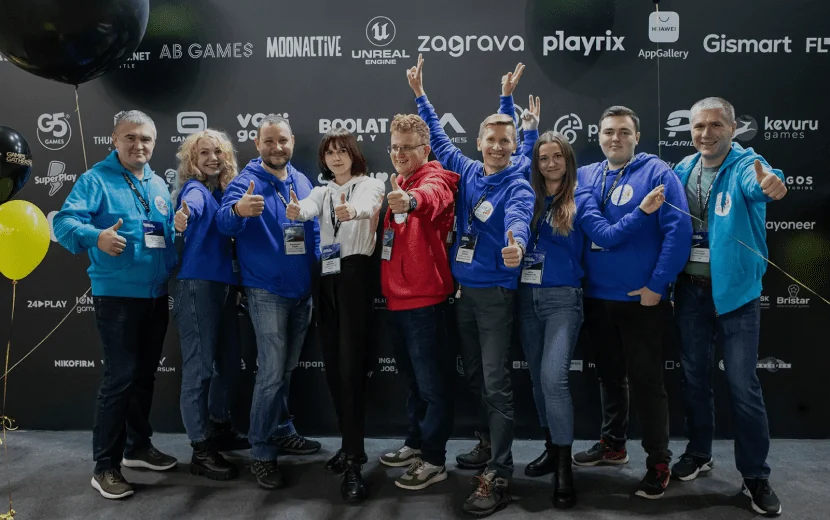
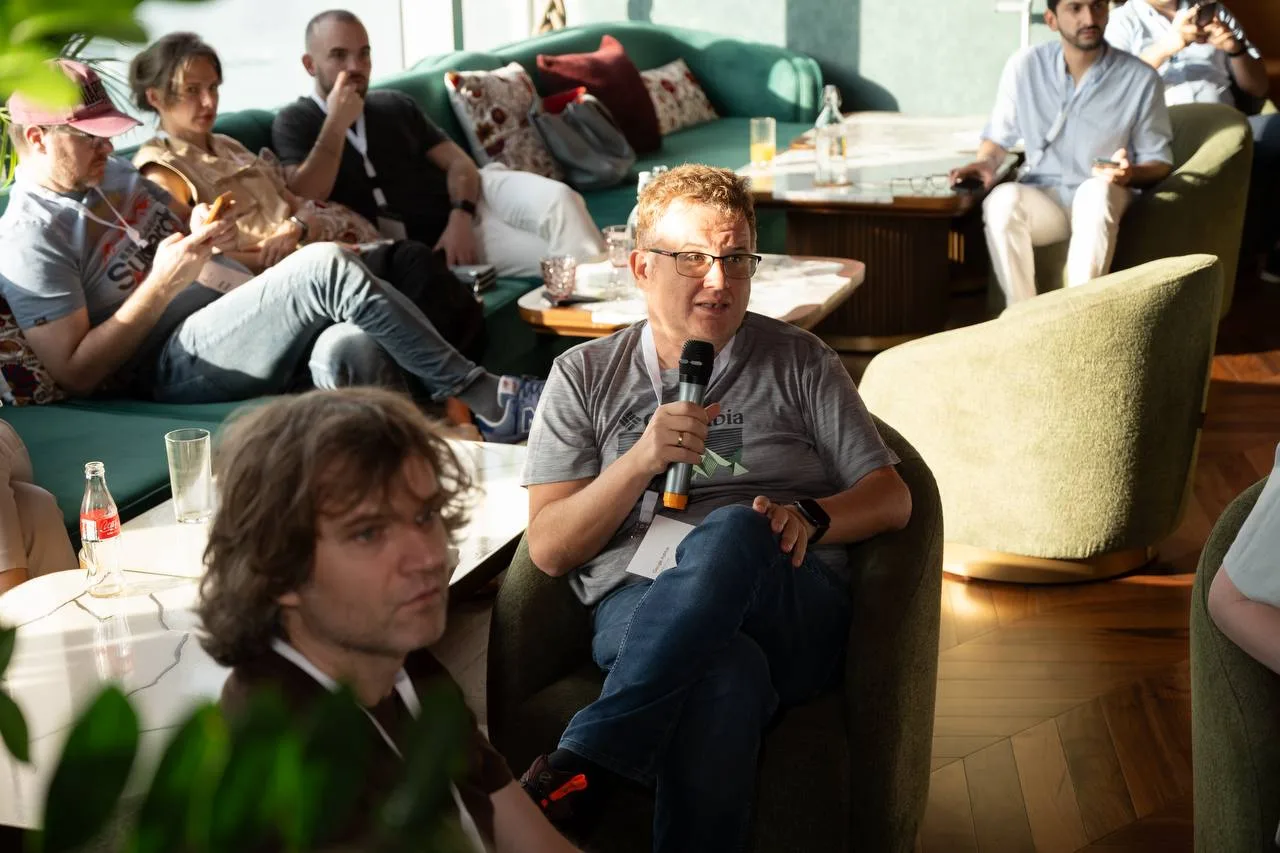
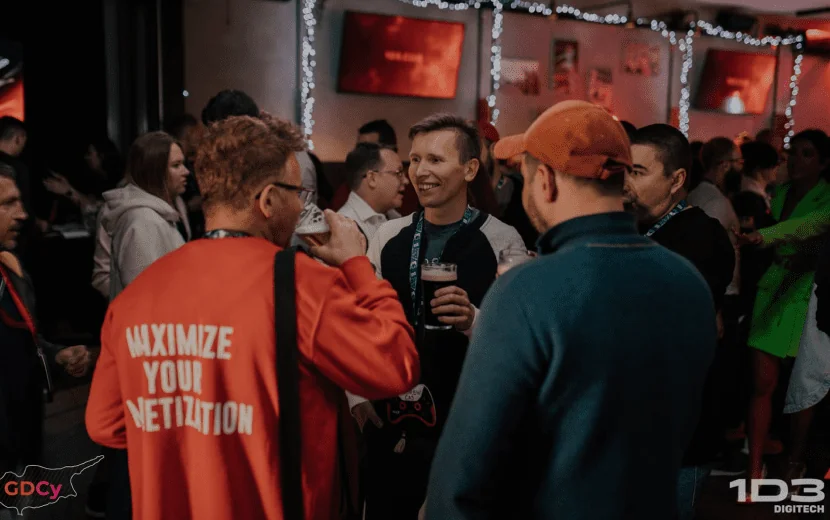
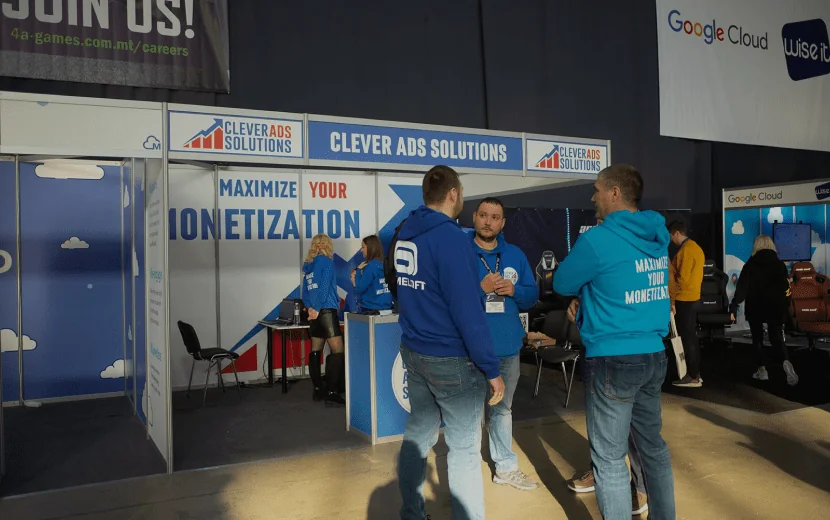
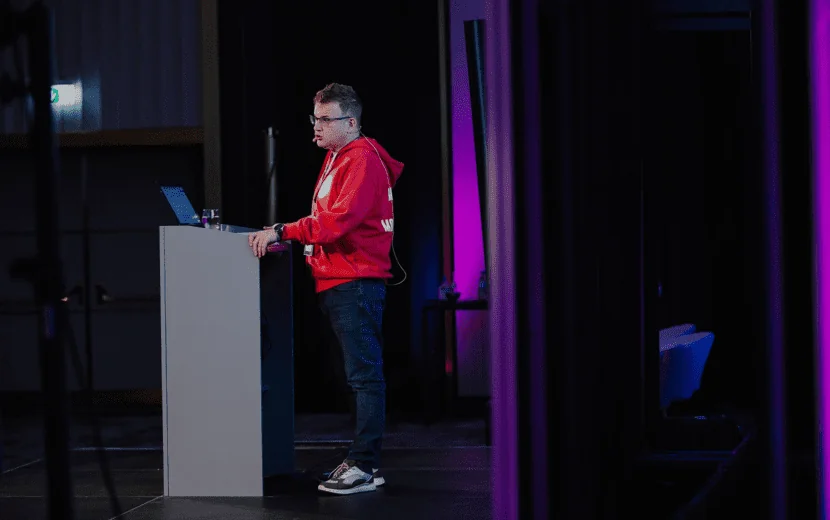
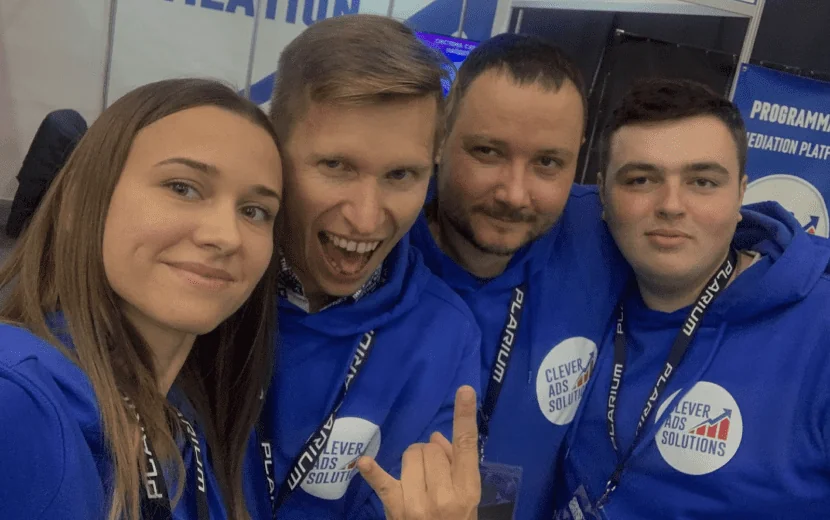
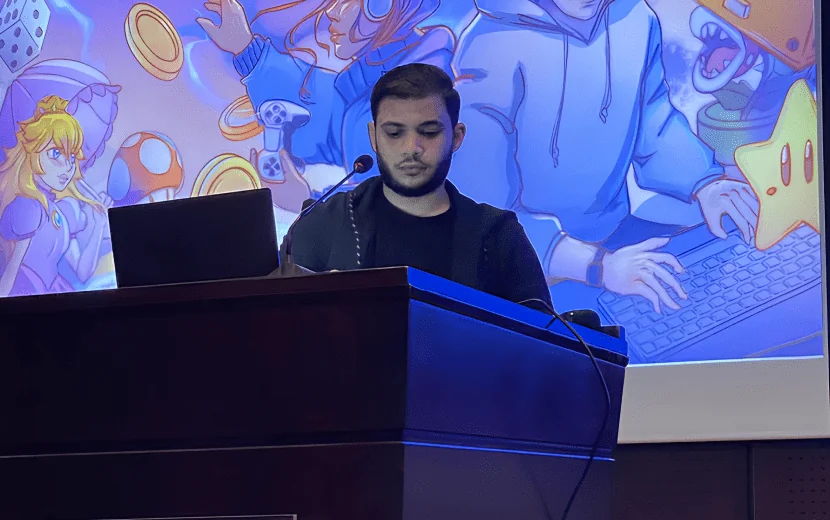
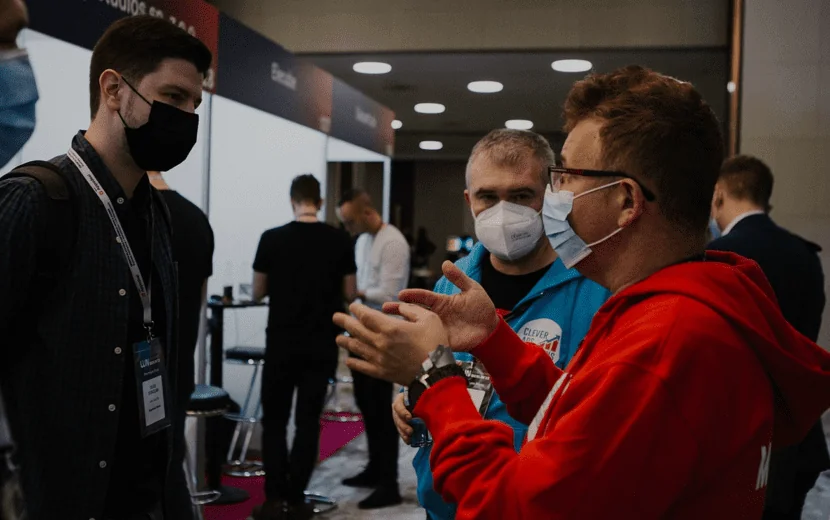
We actively participate in international game industry conferences around the world, delivering lectures about the secrets of success in ad monetization
White Nights Berlin`22
Games Gathering, Kyiv`21
Talents in Games, online`22






Hear directly from mobile game developers about why they chose CAS
CEO, Vasilkoff Cy Ltd
«My app`s revenue increased by 3 times. I`ve integrated CAS in June 2021. And it continues to grow»
CEO, EvKar Games
«You don`t need to control price floors and waterfalls. That`s why we have 2-3 free hours per day. It`s really good»

Fri 10, 2026
Most mobile game teams treat Halloween as a date on the calendar: add a pumpkin, launch a spooky banner, and wait for the revenue. The data says otherwise. Median Halloween-week revenue across top titles barely moves, so the holiday brings attention, not dollars. Players show up in October, but whether they install, return, or spend depends on your offer and your promotion. What turns that attention into results is the plan behind it. This playbook walks through the full funnel: building acquisition around the first session, bringing lapsed players back, deciding which LiveOps events are worth the effort, running a smarter in-app and web shop, monetizing players who never buy, and measuring what sticks once October ends. You’ll also find a practical checklist for before, during, and after the event, plus sources flagged for age and vendor bias. Use it to finish this season strong and start planning next year’s.

Sun 10, 2026
Every mid-size publisher has heard the webshop pitch: dodge the App Store’s 30% commission, keep more margin, done. The math looks clean on a slide, less clean in your actual P&L. This piece breaks down what’s really changed in 2026’s commission landscape (Apple’s proposed 15% link-out fee, the EU’s Core Technology Commission), and runs honest numbers on what a webshop actually captures: existing payer spend, not new revenue. First-purchase conversion sits in the low single digits industry-wide, which means a webshop only ever touches a small slice of your base; the 95%+ who never pay get nothing from it. The real opportunity most mid-size publishers leave on the table isn’t the app store tax. It’s ad yield on the non-paying majority. This is a decision framework for building both channels correctly, rather than picking a side.

Mon 09, 2026
Q4 ad monetization usually turns into a mad dash at the last minute, but the teams that actually win break the quarter into four sleek phases instead of treating it like one endless holiday sprint. The secret is to sync your strategy with the market’s mood swings: September and October are your time to fix tracking, rebuild those audience pools, and run scrappy, low-cost creative tests. Come November, it’s all about scaling up fast and tweaking price floors to catch those sky-high Black Friday eCPMs. By late December, the smart move is to double down on App Store Optimization and scoop up zero-CPI organic installs from all those shiny new devices getting unboxed. And when January rolls in, you get a golden window for cost-effective retention campaigns while CPMs take a nosedive. If you stick to this phased game plan instead of scrambling mid-season, you’ll keep your fill rates healthy, squeeze every drop from peak ad revenue, and set yourself up for user value that actually lasts past the holidays.
Sun 09, 2026
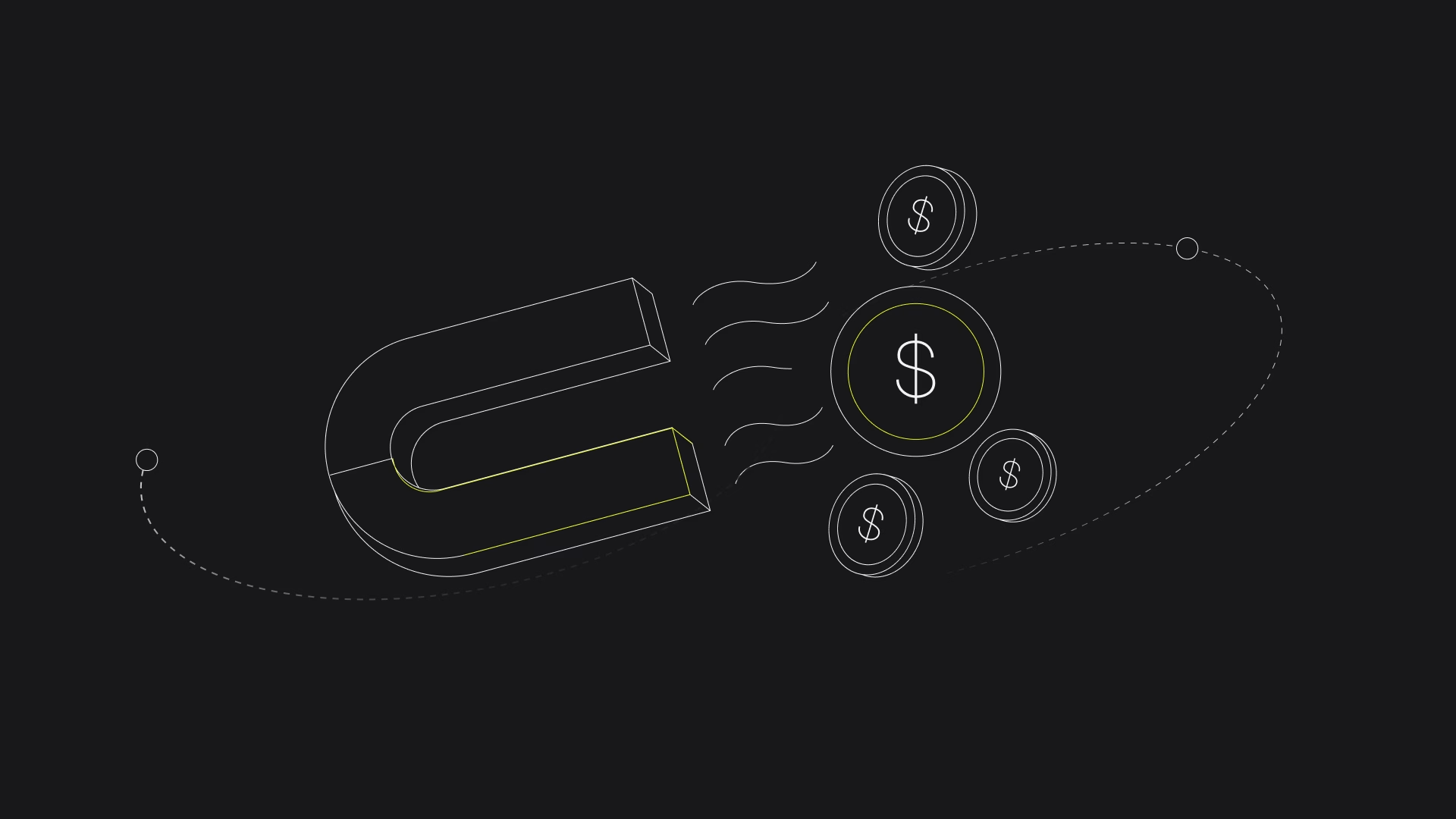
If you are running user acquisition and only checking IAP numbers, you are leaving a pile of money on the table. For games that mix ads and in-app purchases, watching just IAP RoAS is like trying to drive with one eye shut. The campaigns that seem like flops at first glance? Those are often the ones quietly pulling in ad revenue once you look at the full picture. The real problem is when UA and monetization teams are each stuck in their own corner, not sharing what they know. Once you start tracking ad revenue down to each user, everyone finally gets on the same page. Every rewarded video and interstitial can be traced back to its source, so both teams see the whole story: ARPU, LTV, RoAS, all together. Get everyone looking at the same numbers and watch your campaigns start to shine. Stop cutting off your best performers by mistake. Feed impression-level ad revenue into your bidding, dig up those hidden winners, and finally see the real results you have been after.
Mon 09, 2026
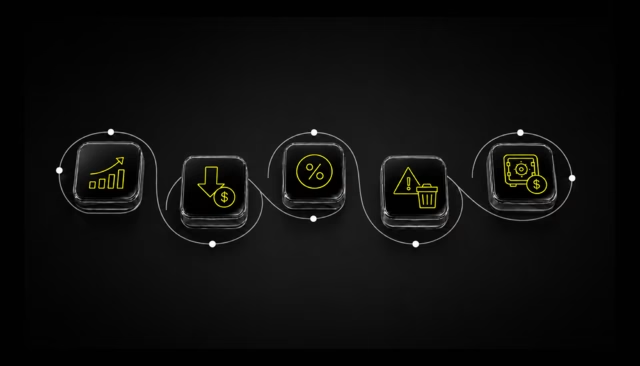
High eCPM and low CPI mean nothing for profitability. Both are gross, averaged, and time-lagged. eCPM hides falling…

Tue 09, 2026
By Q3 2026, AI-generated creative isn’t an experiment; it’s the default production method for most UA teams. But that shift created a new bottleneck: not making variants, but deciding what to do with them. Ad accounts that once ran 5-8 creatives now cycle through 30-50, and no human reviewer can keep up with that volume. Studios are pulling ahead, automating not just generation but the decision layer. Their systems flag CTR decay, frequency saturation, and CPM drift before dashboards catch up, then automatically rotate and regenerate creatives. Most teams optimize for install volume because it’s easy to track, but it’s the wrong metric. A creative can win on CPI and still fail on retention and revenue. The real gap is whether studios connect creative performance to downstream monetization, not just installs. Mediation-layer transparency becomes a creative-testing tool, not just a finance metric.
Please check your email (including spam folders).
If you have received a copy of this message to the e-mail address you provided, your registration is successful.
Your application is being processed.
Our manager will contact you within 48 hours to help you activate your account. Otherwise, please use the help of our support team.
We share useful resources while your application is being processed

Discuss strategies to increase your project's revenue in chats
Thank you for your submission, we got it!
Our manager will contact you in the next 24 hours at the email address you provided. We appreciate your interest in publishing with us!
We share useful resources while your application is being processed
Discuss strategies to increase your project's revenue in chats
Thank you for your submission, we got it!
Our manager will contact you in the next 24 hours at the email address you provided. We appreciate your interest in publishing with us!
We share useful resources while your application is being processed
Discuss strategies to increase your project's revenue in chats

Something went wrong on our end — your form was not submitted. Please try again in a few minutes.
Try submitting the form again in a few minutes — most issues resolve on their own.
If the problem persists, reach out to our support team: [email protected]