

Bridging UA and Monetization
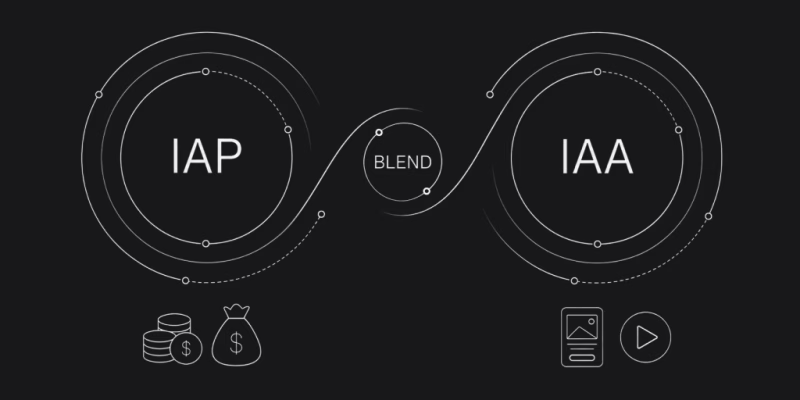
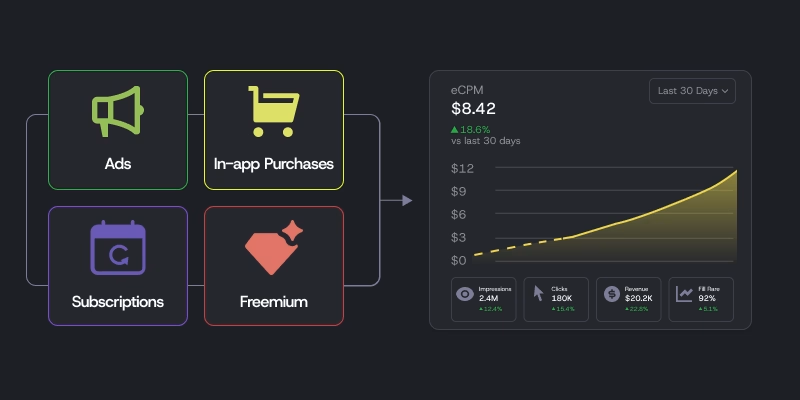
If you are running user acquisition and only checking IAP numbers, you are leaving a pile of money on the table. For games that mix ads and in-app purchases, watching just IAP RoAS is like trying to drive with one eye shut. The campaigns that seem like flops at first glance? Those are often the ones quietly pulling in ad revenue once you look at the full picture. The real problem is when UA and monetization teams are each stuck in their own corner, not sharing what they know. Once you start tracking ad revenue down to each user, everyone finally gets on the same page. Every rewarded video and interstitial can be traced back to its source, so both teams see the whole story: ARPU, LTV, RoAS, all together. Get everyone looking at the same numbers and watch your campaigns start to shine. Stop cutting off your best performers by mistake. Feed impression-level ad revenue into your bidding, dig up those hidden winners, and finally see the real results you have been after.