Last Updated July 2026
ASO and paid user acquisition have merged into a single growth system as store algorithms focus on product quality, Apple expands ad placements, and organic-only strategies lose ground inside the competitive app economy of 2025.
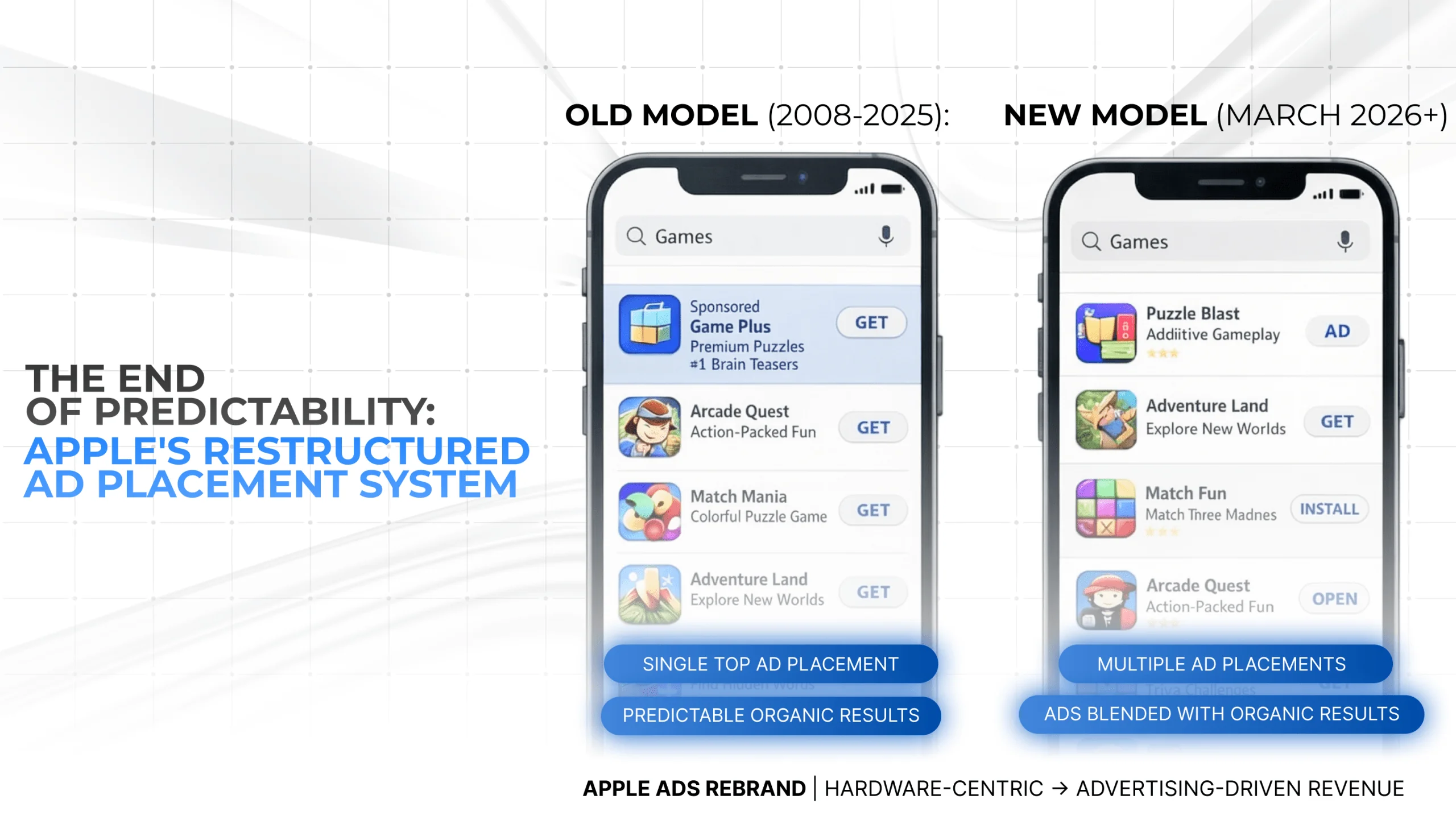
Mobile marketing entered 2025 at a crossroads. The rules that governed app growth for years – organic optimization here, paid acquisition there – no longer hold. Apple Search Ads rolled out new placements, user behavior shifted in unexpected ways, and competition intensified across every category. The result? ASO stopped being a standalone discipline practiced in isolation and became inseparable from the entire product and marketing funnel.
To make sense of these seismic shifts, we gathered a group of practitioners who’ve lived through the evolution firsthand. Moderating the conversation was Altai Zeinalov, who has spent a decade in ASO and built one of the Russian-language community’s most vibrant hubs on Telegram, “ASO Greetings.” Joining him was Oleg Shlyamovych, CEO of CAS.ai, whose career in game development since 2014 has generated over two billion downloads and shaped his approach to publishing and mediation at scale.
Anastasiia Lichna brought the perspective of someone who’s been optimizing app store presence for nearly ten years, now managing multiple freelance projects while building her own team. Anastasiia Baranchikova, with seven-plus years in the field, offered deep expertise in culturalization and localization – the nuanced work of adapting ASO strategies for diverse markets. Zoriana Omelchuk, Head of Marketing at CAS.ai, brings 12 years of mobile marketing experience, with a sharp focus on user acquisition and paid traffic dynamics. And Viktoriya Klimenko, who has spent over eight years promoting apps and games across utilities, trackers, fintech, and gaming verticals at AdWord Mobile and ASO Mobile, rounded out the discussion with cross-vertical insights.
Together, they explored a central thesis: in 2025, ASO is no longer “a separate magic”; teams can optimize in a vacuum. It’s a growth system – one that only works when ASO and UA operate as two halves of the same strategy.
Content
- 2025 Market Review: Why “Pure ASO” is Shifting and the New Reality of Mobile App Monetization. What has changed significantly in the App Store and Google Play, and why “pure ASO” is performing worse.
- Apple Search Ads Expands: New search placements, organic compression, and the implications for projects with strong positions.
- UA and ASO Are Not Competitors: Their synergy is building a unified mobile advertising monetization framework.
- From Clicks to Cash: How paid traffic affects organic traffic. iOS vs. Android correlations, misclicks, and the impact of traffic sources on store page conversion.
- The 2026 Outlook: AI Personalization, custom product pages, the emergence of “ASO for AI”, and the future of mobile game monetization.
- Strategic summary & Usable examples
2025 Market Review: Why “Pure ASO” is Shifting and the New Reality of Mobile App Monetization. What has changed significantly in the App Store and Google Play, and why “pure ASO” is performing worse.
By 2025, both app stores have moved away from predictable mechanics toward intelligence-driven systems where meaning, trust, and external demand matter more than standalone ASO tactics.
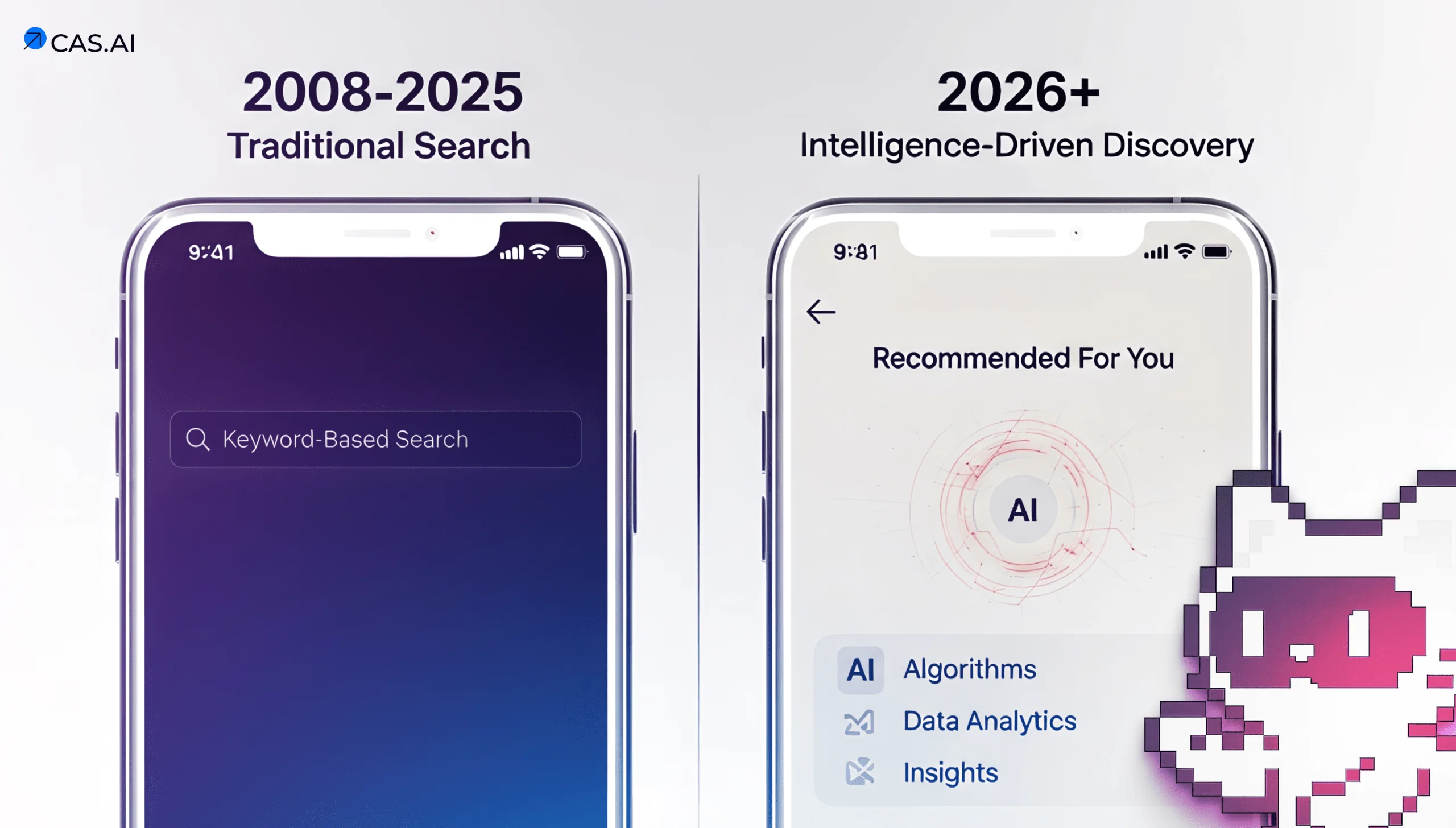
The App Store has become more “semantic” and more strict towards vague apps
The App Store is getting smarter about what your app actually does, and it’s getting less forgiving if you try to be everything to everyone. We’re moving away from the old game where you stuffed keywords into your metadata and hoped for the best. Now it’s more about meaning – the store wants to understand what problem you solve and who needs that solution, then connect those dots naturally.
Think of it like this: Apple is borrowing from Google’s playbook. The algorithm doesn’t just match words anymore, it interprets intent. Apps that know exactly what they are and say it clearly are winning. Apps that hedge their bets with vague descriptions or try to appeal to five different audiences at once are seeing their rankings wobble. This matters especially if you’re refining your app monetization strategy – unclear positioning can hurt not just your visibility, but also your ability to attract the right users who’ll actually engage with your revenue model.
Anastasiia Lichna has been tracking this shift closely, and her take is that thematic clarity matters more than ever. If your storefront, your messaging, and your actual product value all line up and point in the same direction, you’re in good shape. But if there’s confusion – if your screenshots promise one thing while your description hints at something else – the algorithm picks up on that disconnect. It’s not about tricking the system anymore. It’s about being honest and specific enough that the system can do its job and show you to the right people.
Google Play: More “trust and verification,” less predictability in timing
Android works differently. Changes you make don’t always show up right away, and sometimes your organic traffic simply decides to take a nosedive or spike back up without you touching anything. It’s unpredictable in a way that can drive you crazy.
Zoriana Omelchuk sees this all the time from the user acquisition side. Apps seem to hit some invisible trigger – traffic drops out of nowhere, then comes back a few weeks later, and you’re sitting there wondering what you did wrong or right. Her theory is that Google Play leans heavily on trust signals tied to your developer account and how stable your app actually is. If you’re getting crashes or ANR errors, that matters more than you’d think. It’s less about perfect keyword optimization and more about proving you’re reliable over time.
ASO by itself won’t get you very far anymore.
Both Viktoriya Klimenko and Anastasiia Baranchikova are saying the same thing: you can’t just tweak your app store listing and expect magic to happen. ASO works when it’s part of a bigger picture – when you’re driving traffic to the store, when your product actually delivers on what the screenshots promise, when everything fits together. Sure, if you’re in some quiet niche with barely any competition, you might still see ASO move the needle on its own. But that’s the exception. For most apps, it’s no longer a growth engine. It’s one piece of a machine that only works when all the parts are running together.
Apple Search Ads Expands: New search placements, organic compression, and the implications for projects with strong positions.
Apple search ads expand: New search placements, organic compression, and the implications for projects with strong positions.
More ad placements equal less “free” real estate
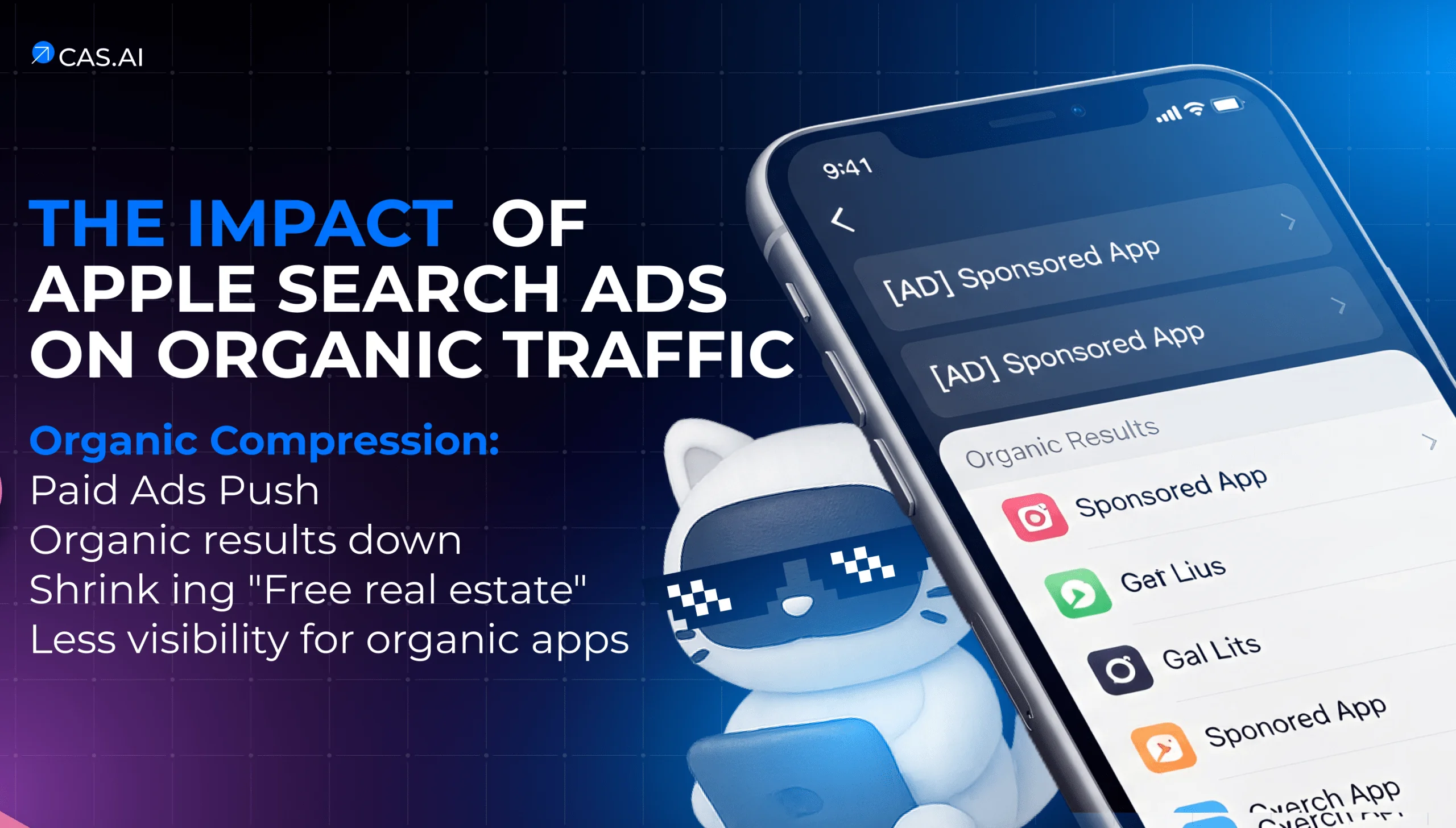
The expansion of Apple Search Ads (ASA) is fundamentally changing the game for organic reach. As more ad blocks fill up search results, even apps with top organic rankings are getting pushed further down the page. Viktoriya Klimenko points out that this shift is particularly dangerous for established apps that have always counted on organic discovery to drive installs.
The shifting economics of App Store visibility
As Apple continues down this path, developers are facing a new reality: the old rules of organic visibility simply don’t apply anymore.
Business logic vs. market reality: Anastasiia Lichna takes a practical view of the situation – Apple is just doing what Google and other search engines did years ago. Sure, organic visibility is shrinking, but the flip side is that more ad inventory could actually shake up the auction dynamics and open doors for apps in certain categories that were previously priced out.
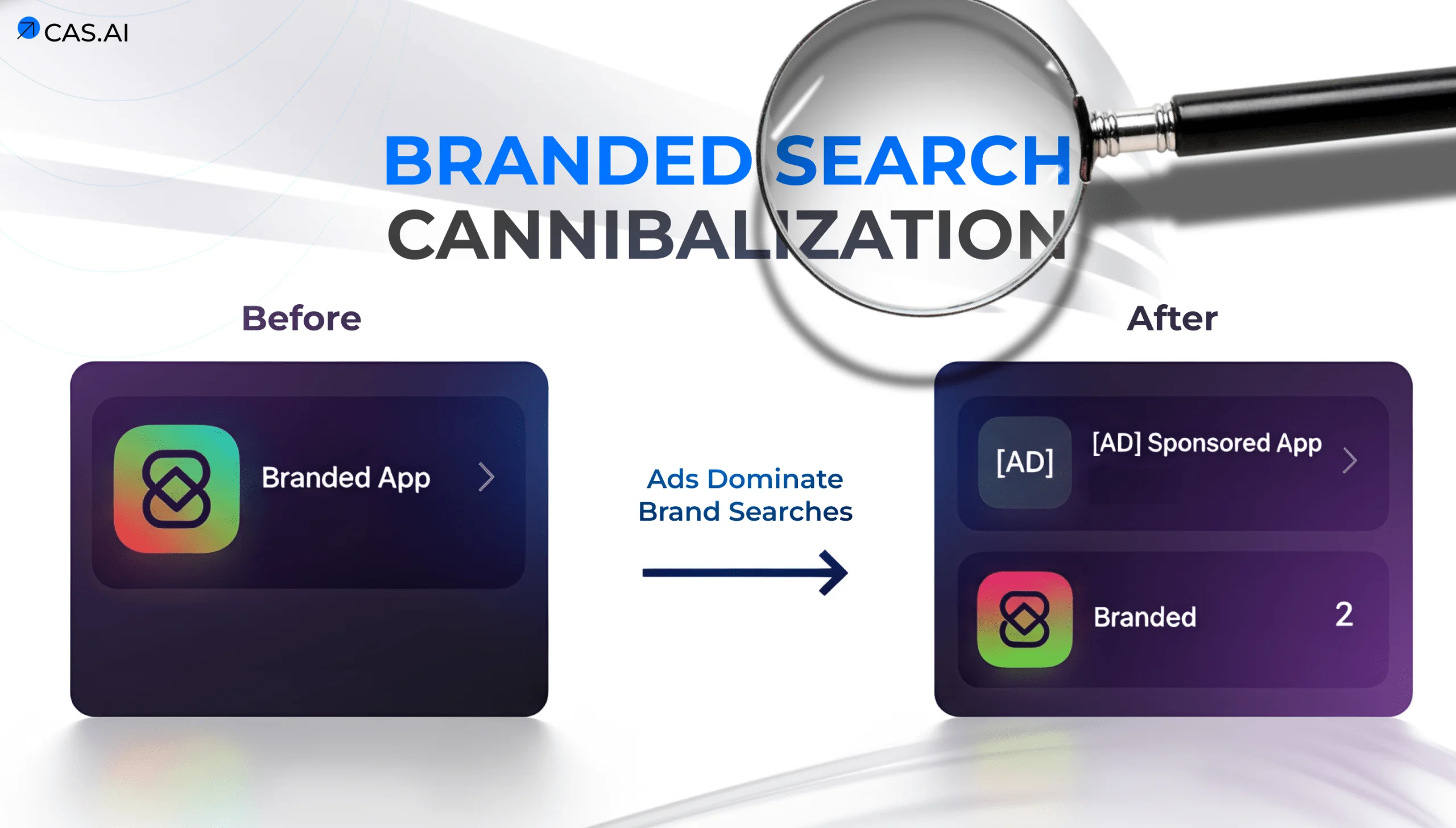
The cannibalization of branded search: Here’s where it gets frustrating: ASA often cannibalizes your own brand traffic. Anastasiia Baranchikova recommends a simple reality check – subtract your ASA results from total Search traffic to see what you’re actually getting organically. Anastasiia Lichna backs this up, noting that on iOS, paid and organic user behavior are so tightly linked that it’s hard to tell where one ends and the other begins.
Does ASA affect rankings? A matter of testing, not faith.
There’s no single “truth” regarding rankings from the discussion. Viktoria Klimenko interprets ASA as advertising without a direct effect on rankings, unless scale is used.
Anastasiia Baranchikova admits that under the new rules, disabling ASA could impact search rankings, and this should be tested through experiments.
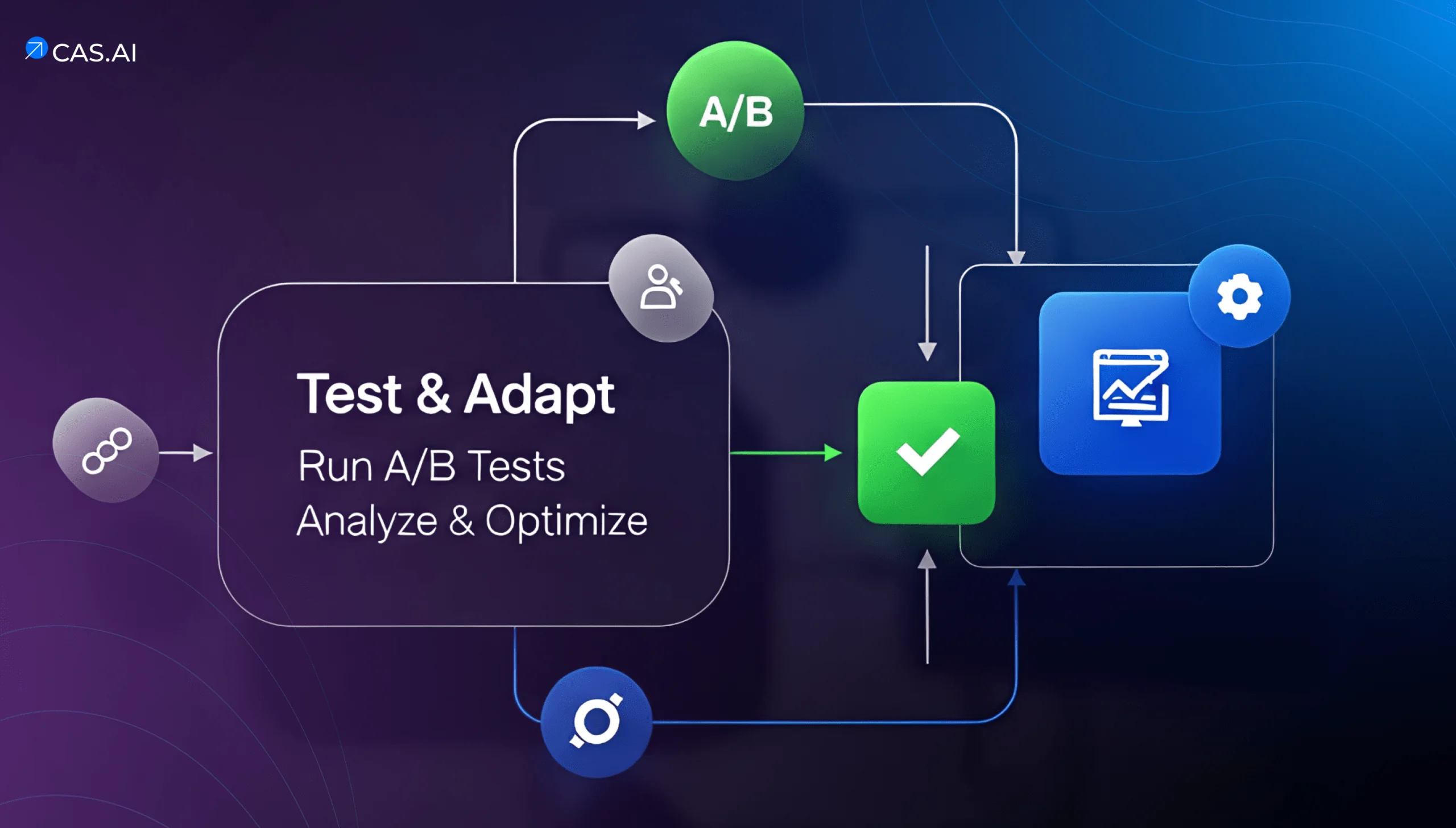
The correct conclusion for this article: don’t argue, but plan a test design. What a practitioner can take away is the need for experiments, control, stable periods, and correct attribution.
UA and ASO Are Not Competitors: Their synergy is building a unified mobile advertising monetization framework.
How to build collaboration, where aso helps and where it doesn’t.
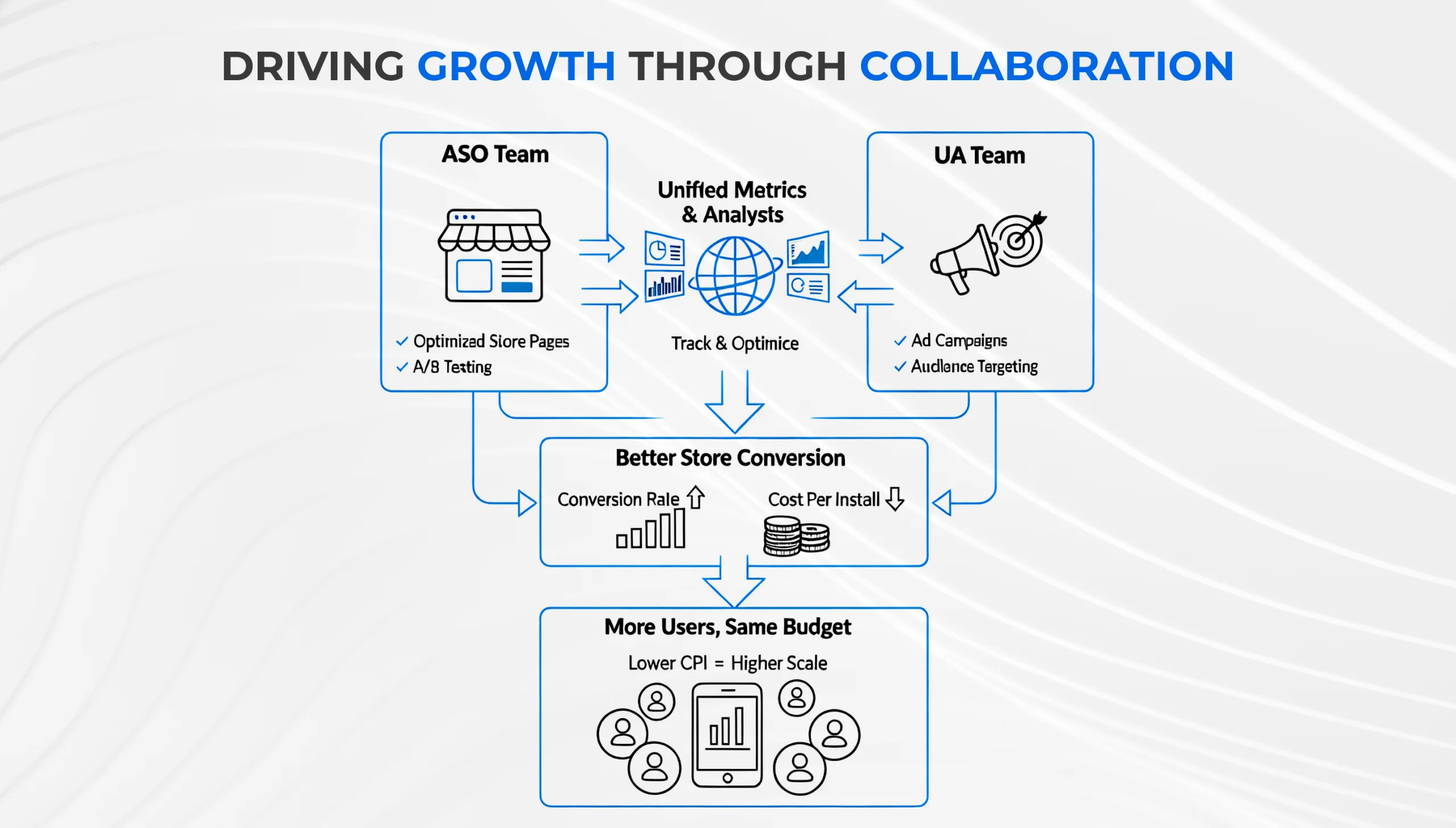
The channel doesn’t matter as much as having a solid product and a smart marketing system working together.
The whole “UA versus ASO” argument is getting old. Zoriana Omelchuk puts it this way: when you have a good product, both user acquisition and app store optimization benefit. The metrics speak for themselves. Oleg Shlyamovych takes it further by looking at the bigger picture. Marketing really comes down to knowing how to sell your product properly and getting your priorities straight—things like packaging, visuals, and messaging. Without that foundation, even a great product won’t get the traction it deserves, which directly impacts app monetization revenue.
ASO is about conversion on your store page, not just ranking for keywords.
Viktoriya Klimenko makes an important point here: users almost always check out your storefront before downloading. That means ASO should focus mainly on store page conversion—your screenshots, videos, ratings, reviews, and messaging—rather than just being a separate exercise in chasing rankings. Getting this right is essential for any best app monetization strategy.
Where the real synergy happens: custom pages that lower your cost per install.
Zoriana Omelchuk explains how this actually works in practice. The ASO team builds out custom store pages, the UA team drives targeted traffic to them, and then everyone measures what’s working. When your storefront converts better, your cost per install drops. That means UA can bring in more users without spending more money. This creates a clear connection between teams that scales beautifully and helps you monetize your app more effectively.
From Clicks to Cash: How paid traffic affects organic traffic. iOS vs. Android correlations, misclicks, and the impact of traffic sources on store page conversion.
When you’re running paid campaigns for your mobile app, you might wonder whether those ads actually help or hurt your organic visibility. The answer isn’t straightforward, and it varies quite a bit between iOS and Android.
iOS Tends to Reward Paid Investment
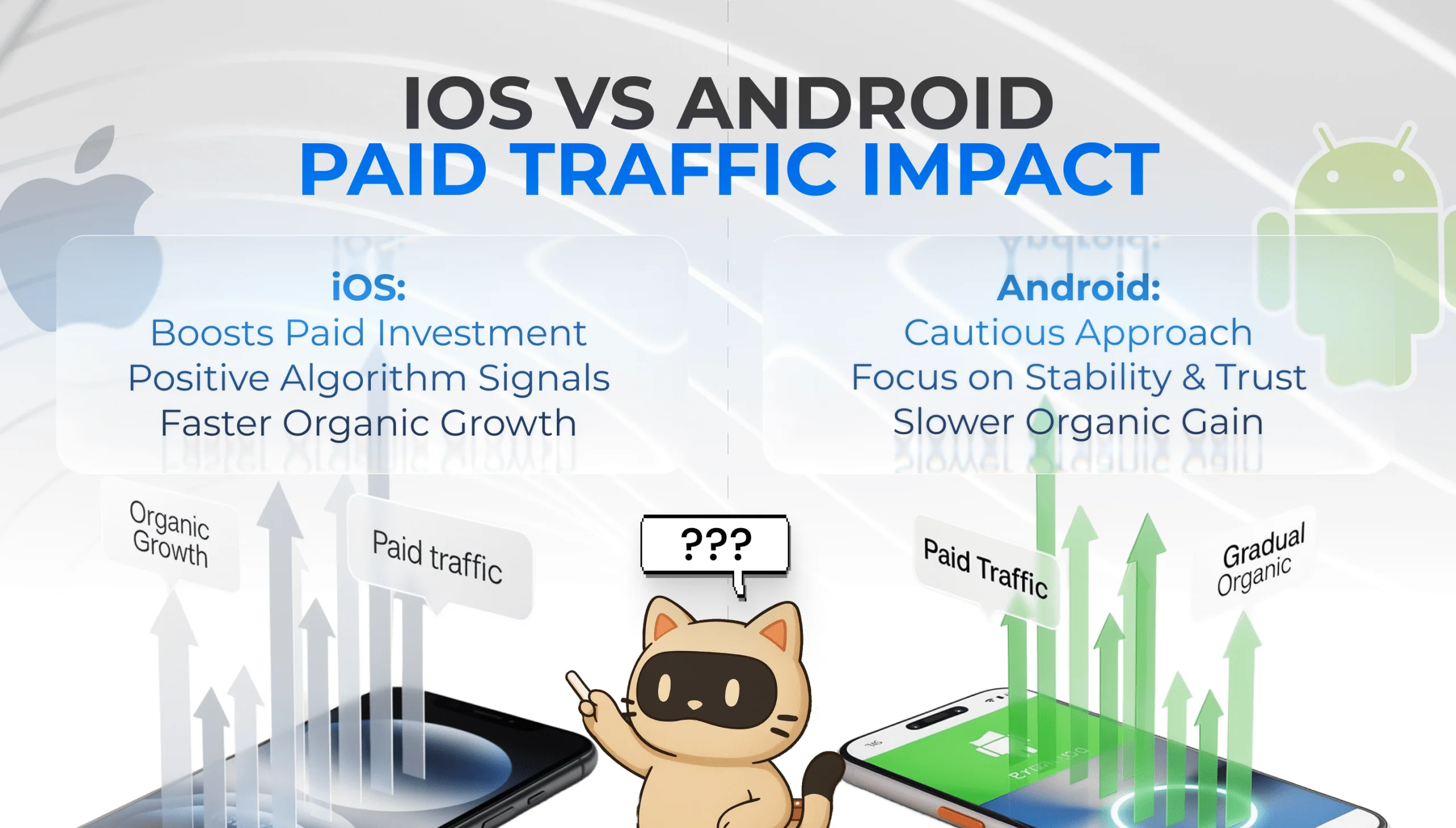
Anastasiia Lichna has observed that the App Store often shows a positive connection between paid traffic and organic growth. When you invest in paid campaigns, the boost in downloads and user activity sends signals to Apple’s algorithm about your app’s relevance and popularity. The store picks up on this increased awareness and demand, which can translate into better organic rankings. Of course, this assumes your traffic quality, conversion rates, and regional targeting are solid.
Android Takes a Slower, More Cautious Approach
Google Play works differently. Viktoriya Klimenko points out that effects from paid traffic take longer to materialize on Android. Google’s algorithm weighs trust and stability heavily. If your app has technical problems like crashes or ANRs (Application Not Responding errors), you’ll see your visibility drop fast, especially in the “similar apps” recommendations. The takeaway? On Android, keeping your product technically sound and stable often matters more than aggressive paid spending.
The Hidden Danger: Misclicks That Tank Your Conversion
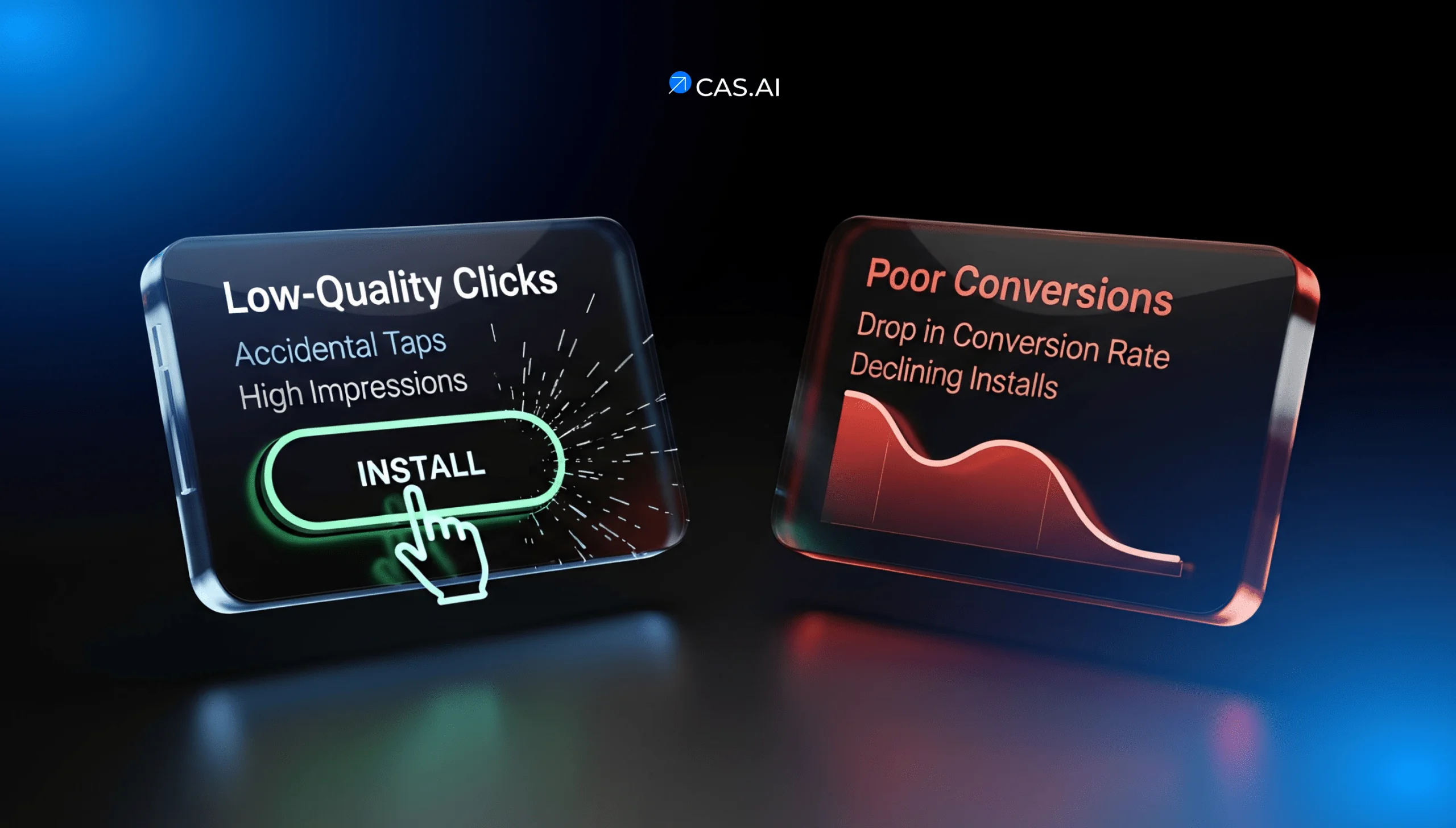
Here’s where things get tricky. Some paid traffic sources generate tons of clicks but very few actual installs. These misclicks drag down your store page conversion rate, making it look like your app store optimization isn’t working. Oleg Shlyamovych describes this as one of the most frustrating issues marketers face when trying to monetize their app effectively.
Real Example: When Ad Placements Hurt More Than Help
Zoriana Omelchuk shares a specific case involving Mintegral’s autoplacement feature. This placement automatically pulls creative from your store listing and serves it widely, but the quality is poor. It generates massive impression counts with terrible performance, which destroys your storefront conversion metrics. If you’re spending big on ads, it makes sense to turn off these underperforming placements to protect your overall app monetization strategy.
The 2026 Outlook: AI Personalization, custom product pages, the emergence of “ASO for AI”, and the future of mobile game monetization.
The mobile landscape in 2026 will be defined by AI-driven personalization, a holistic approach to ASO, and new ways apps are discovered and monetized.
ASO Now Covers Your Entire Product and Revenue Strategy
Anastasiia Lichna points out the big shift happening right now: AI tools let you create and test things faster than ever, but speed alone won’t make you successful. The real winners will be the people who truly understand their users and the economics behind their mobile app monetization. ASO isn’t just about store listings anymore. It’s expanding into your onboarding flow, pricing structure, and how you monetize app with ads or subscriptions. Every part of your funnel affects conversion and return on investment.
Instead of obsessing over keyword rankings and algorithm changes, smart marketers are betting on personalization as their main growth lever.
Personalization Beats Keyword Guessing
Anastasiia Baranchikova is going all-in on personalization. She’s building custom store pages crafted for specific user segments based on their pain points, the creatives they respond to, their countries, and audience types. This approach gives you more control than trying to reverse-engineer the algorithm or chase after ranking factors that constantly change.
iOS Search May Get Personalized Too
Viktoriya Klimenko warns about a expected shift on iOS: Apple might start personalizing search results the way Google does. If that happens, your app could rank differently for different users, which makes traditional analytics much harder. The old “we’re in the top 3” metric might not mean what it used to.
Getting Ready for AI Recommendations
Oleg Shlyamovych is thinking ahead about what he calls “ASO for AI.” The idea is to position your product so that AI systems like ChatGPT can discover and recommend it. Anastasiia Lichna has already seen this work in practice. Traffic from ChatGPT can grow significantly if you have the right website structure and get mentioned on trusted platforms. Reddit and Quora also came up in their discussions as potential traffic sources, especially for certain app categories where people actively look for recommendations.
Strategic summary & Usable examples
What to focus on in your strategy like storefront conversion, segmentation, traffic quality, and unit economics. Optimizing unit economics and finding the best way to monetize a mobile game or app.
ASO is part of marketing, not some separate magic trick. This is Viktoriya Klimenko’s position, and Anastasiia Baranchikova backs her up on it.
On iOS, organic traffic is going to drop because of advertising, so get ready for a new economy. That’s the approach from Viktoriya Klimenko, Anastasiia Lichna, and Oleg Shlyamovych.
When you combine ASO with user acquisition, you generate revenue by improving storefront conversion rates, which lowers your cost per install. This is Zoriana Omelchuk’s approach.
Traffic quality matters. Misclicks and bad placements will wreck your store metrics. Both Oleg Shlyamovych and Zoriana Omelchuk emphasize this.
2026 is going to be about personalization, testing product hypotheses, AI channels, and testing things quickly. This comes from Anastasiia Lichna, Anastasiia Baranchikova, and Oleg Shlyamovych.
Helpful resources
CAS.ai — Home
Ad Mediation
ASO 2025: App Store Optimization
Apple Ads — App Store ads overview
Apple Developer — Custom Product Pages